When alcohol intake surpasses the liver’s ability to metabolize it, the excess spreads throughout the body, affecting various organs. ETOH abuse occurs when alcohol consumption becomes excessive, habitual, and harmful. It often begins innocently, with occasional binge drinking or using alcohol as a way to cope with stress. Over time, this behavior can escalate into dependency, where the individual finds it difficult—or impossible—to control their drinking. When you’re considering Sober living house EtOH abuse vs. AUD, you want to remember that abuse can lead to an alcohol use disorder.
- Outpatient care frequently acts as the next step after an inpatient program, offering ongoing assistance that assists individuals on the path toward lasting recovery.
- The chemical formula for ethanol, C2H5OH, shows it’s a toxic substance that can wreak havoc on your body if you drink too much.
- Early detection of these manifestations greatly enhances the likelihood of effective treatment outcomes leading to recovery.
- Physical dependence is a key symptom of AUD, characterized by the need for alcohol to avoid withdrawal symptoms.
- As a leading detox center, we provide compassionate, evidence-based care to support your transition to a healthier, substance-free life.
Is Binge Drinking a Form of Alcohol Addiction?
Although there are many risks to drinking alcohol, there also may be some benefits of moderate drinking. That means no more than two drinks a day for men and no more than one drink a day for women. (A drink is defined as 5 ounces of wine, 12 ounces of beer, or 1½ ounces of 80-proof distilled spirits.) Moderate drinking appears to lower the risk of heart disease, stroke, and other circulatory diseases. There is evidence that a small amount of alcohol can boost levels of high-density lipoprotein (HDL), the beneficial cholesterol in your blood, as well as reduce the formation of plaque in blood vessels.
Common Symptoms of ETOH Abuse
Alcohol and other drug use have been found to occur most often between the hours of 3 p.m. And 6 p.m., immediately after school, and prior to parents’ arrival at home from work. Teen participation in extracurricular activities has therefore been revealed to be an important prevention measure for the use of alcohol in this age group. Parents can also help educate teens about appropriate coping and stress-management strategies.
Tips for Quitting or Cutting Back on Drinking
Addiction Therapy Programs often incorporate group therapy, one-on-one counseling, and holistic practices like mindfulness and exercise. As part of all of our programs, we offer individual therapy sessions that address the causes of addiction using evidence-based therapies. Group sessions are also vital since they allow you to meet with others who are battling addictions. For those who are just starting the recovery process, we recommend our partial hospitalization program (PHP). Our PHP provides hours of individual and group therapy sessions without requiring that you stay overnight at our facilities.
How to Diagnose a Drinking Problem
People with this condition can’t stop drinking, even if their alcohol use upends their lives and the lives of those around them. While people with this condition may start drinking again, studies show that with treatment, most people are able to reduce how much they drink or stop drinking entirely. In this disorder, people can’t stop drinking, even when drinking affects their health, puts their safety at risk and damages their personal relationships. Studies show most people can reduce how much they drink or stop drinking entirely. There are many reasons people become addicted to https://ecosoberhouse.com/ ETOH, but most of them can be traced back to an underlying mental health disorder or issue.
- These include memory loss, blacking out, passing out, nausea, and vomiting.
- Alcohol abuse is considered anything more than light drinking (more than seven drinks per week for women and more than 14 for men).
- Over time, physical and psychological dependence can develop, leading to withdrawal symptoms if consumption is reduced or stopped.
- Alcohol abuse can be considered a stepping stone to a diagnosable alcohol use disorder or alcoholism.
- Avoid judgment and let them know you’re worried about their well-being.
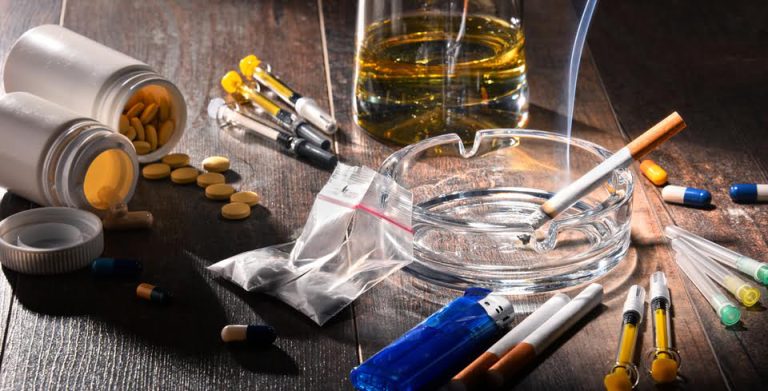
Both men and women are more likely to develop alcoholism if they have a childhood history of being physically or sexually abused. Children and teens who have their first drink of alcohol between years of age are more at risk for developing drinking alcohol problems than those who do so when either younger or older. Drinking too much in a short time, also known as binge drinking, can lead to more dangerous side effects. These include memory loss, blacking out, passing out, nausea, and vomiting. An example of a etoh abuse meaning medication that can help you abstain from drinking alcohol is disulfiram.
How Ethanol Affects the Body?
Your provider can help make a treatment plan, prescribe medicines, and if needed, give you treatment referrals. To understand the history, symptoms, and consequences of ETOH abuse can go a long way in addressing the problem and finding effective treatments for those who need it most. Whether for one’s self or for someone dear, the road to recovery begins with awareness and action. People with alcohol problems often drink alone and say they use alcohol to help them sleep or deal with stress.
Behavioral Therapy
Disulfiram (Antabuse) may be an option for people who want to try a drug to help prevent them from drinking. Disulfiram disrupts the breakdown of alcohol in the liver, making a person feel ill if he or she drinks alcohol. Almost all treatment programs view alcohol dependence as a chronic, progressive disease, and most programs insist on complete abstinence from alcohol and other drugs.
Leave a Reply